
Why Tinted Windows Beat Blinds and Curtains for Glare Control
Posted by The Window Place USA Team on Apr 15th 2026
The Core Difference: Managing Light vs Managing Solar Load
Blinds and curtains manage what your eyes see. Tinted window film manages what enters through the glass in the first place. That difference is why many homeowners notice better daytime screen comfort with film, especially in living rooms, media rooms, and home offices.
Glare is not just an annoyance. It can reduce productivity, increase eye fatigue, and make expensive rooms less usable during the brightest hours. If you have ever moved your laptop three times in one afternoon to avoid reflections, you already understand the practical problem.
Why Curtains and Blinds Often Fall Short
Curtains and blinds can darken a room, but they do so by blocking useful daylight and often trapping heat indoors. In contrast, the right film can reduce harsh brightness while preserving outside visibility and natural light balance.
Common homeowner frustrations with blinds-only glare control: - Rooms feel cave-like when blinds are fully closed - TV and monitor reflections still appear at certain angles - Afternoon hotspots persist near windows - Constant adjustment becomes a daily chore
Film turns glare control from a manual habit into a passive, all-day baseline.
What the Research Says About Windows, Heat, and UV
Homeowners often underestimate how much windows affect comfort and monthly bills. The U.S. Department of Energy notes that windows can account for a significant share of residential heating and cooling energy use, commonly cited around 25% to 30% in many homes. If you want to verify the technical guidance, the DOE Energy Saver pages on window attachments and energy performance are a strong starting point.
For UV, the data is equally important. UV radiation contributes to fading on flooring, fabrics, and wood finishes over time, and long-term indoor UV exposure still matters for skin health. You can review science-based UV safety guidance through the EPA sun safety overview and additional prevention education from the Skin Cancer Foundation.
From a buying perspective, this is why high-performance film is not just a "tint" decision. It is an energy, comfort, and interior-protection upgrade that can begin delivering value the same season it is installed.
Best Rooms for Tinted Film Glare Upgrades
Home Office
Screen readability and eye comfort are usually top priorities. A film that lowers harsh brightness while keeping enough daylight can reduce fatigue and help maintain work focus.
Family Room / Media Space
Glare on TVs and tablets is one of the most common complaints in open-plan homes. Film can improve daytime watchability without requiring blackout conditions.
Kitchen and Breakfast Nook
Morning and late-afternoon light can be beautiful but intense. Film helps soften peaks while preserving brightness for daily use.
Product Path: What to Consider First
If glare control is your primary concern, begin with TrueVue Solar Film and compare it with PureVue options if you want a high-clarity ceramic route. For homes that also need family safety upgrades, browse Safety & Security films for areas near doors, sidelights, and vulnerable ground-floor glass.
A room-by-room mix is often best. You may choose one product for office daylight balance, another for glare-heavy west-facing rooms, and a security-focused film for entry zones.
CTA: Shop TrueVue Solar Film or Get a Free Quote.
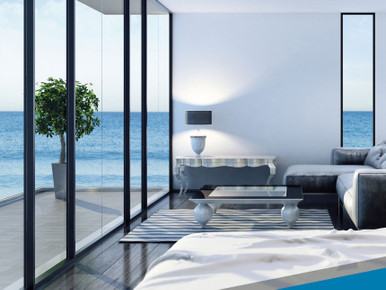
Maryland Lifestyle Reality: Why This Upgrade Is Popular
In Maryland, homeowners frequently face bright, humid afternoons and variable cloud patterns that create sudden shifts in interior brightness. Film helps smooth those peaks so your room remains usable throughout the day.
This matters most for families with hybrid work schedules, kids doing homework near windows, or homeowners using daylight-heavy rooms as multifunction spaces.
Why Maryland Homes Have a Special Use Case
Maryland homeowners deal with humid summers, strong afternoon sun in many neighborhoods, and utility costs that can feel volatile year to year. If your home has west-facing glass, large patio doors, or older double-pane windows, the cooling load can spike quickly in July and August.
Regional weather patterns also matter. Mid-Atlantic heat events, combined with humidity, amplify indoor discomfort and can drive longer AC run-times. You can track broad climate context and heat trends through NOAA climate resources. And for price context, many homeowners monitor EIA electricity data because Mid-Atlantic residential rates are often above the U.S. average.
For practical planning: if your top complaint is heat and glare, start with solar-control film options. If your top concern is break-in delay, school safety, or glass fragmentation risk, layer in safety/security films. In many homes, a mixed strategy across different rooms produces the best result.
Cost vs Convenience: Why Film Wins Over Time
When homeowners compare solutions, they usually look at upfront cost and stop there. But day-to-day convenience is where film often wins. No daily opening/closing cycle, no bulky visual layers, and no constant effort to “chase the sun” around the house.
You also preserve your design aesthetic. Instead of covering windows with heavy fabric, you keep cleaner sightlines and maintain architectural openness.
Decision Checklist for Glare Control Buyers
Before choosing a product, evaluate: - Which rooms have the worst reflection windows by time of day? - Do you prioritize clarity, glare reduction, or maximum heat control? - How important is outward daytime view? - Do any windows also need impact/safety support?
Then align your product choice with function. This avoids the common error of selecting based on darkness alone.
FAQ: Tinted Windows vs Curtains and Blinds
Will window film make my home too dark?
Not necessarily. Many films are engineered to reduce harsh glare while preserving useful daylight. Selection should be based on room function and comfort targets.
Is film enough for extreme sun exposure rooms?
In high-load rooms, film plus light interior shading often gives the best result. The film handles baseline control; shades add on-demand flexibility.
Is film only for modern homes?
No. Film can be used in both contemporary and traditional homes. The key is matching performance specs to orientation and interior goals.
Where do I start?
Review all available products and request room-based recommendations from The Window Place USA.
Maryland Homeowner Action Plan
If you want the best ROI from window film, treat your project like a mini energy and comfort audit. Walk each room during peak sunlight and note where glare, heat, and fading risk are most severe. Photograph those windows at different times of day and rank them by discomfort.
Next, match each zone to a practical objective: cooling relief, screen readability, interior preservation, or privacy. This prevents overspending on low-priority rooms and helps you choose the right film profile where impact will be highest.
Finally, document your baseline. Save utility bills, take "before" photos, and track comfort complaints from family members or employees in home-office spaces. After installation, compare both comfort and cost data over similar weather periods. This structure gives you confidence that your purchase delivered measurable value rather than guesswork.
Pro Tip: Combine Film with Simple Operational Changes
Window film performs even better when paired with basic habits: targeted thermostat schedules, ceiling fan usage, and strategic room shading during peak sun. You do not need expensive upgrades to increase the value of your film investment.
When homeowners combine these simple changes with room-specific product selection, they usually report better daytime comfort, more stable room temperatures, and lower frustration with glare-heavy windows. That practical outcome is what most buyers care about most.
Maryland Homeowner Action Plan
If you want the best ROI from window film, treat your project like a mini energy and comfort audit. Walk each room during peak sunlight and note where glare, heat, and fading risk are most severe. Photograph those windows at different times of day and rank them by discomfort.
Next, match each zone to a practical objective: cooling relief, screen readability, interior preservation, or privacy. This prevents overspending on low-priority rooms and helps you choose the right film profile where impact will be highest.
Finally, document your baseline. Save utility bills, take "before" photos, and track comfort complaints from family members or employees in home-office spaces. After installation, compare both comfort and cost data over similar weather periods. This structure gives you confidence that your purchase delivered measurable value rather than guesswork.
Pro Tip: Combine Film with Simple Operational Changes
Window film performs even better when paired with basic habits: targeted thermostat schedules, ceiling fan usage, and strategic room shading during peak sun. You do not need expensive upgrades to increase the value of your film investment.
When homeowners combine these simple changes with room-specific product selection, they usually report better daytime comfort, more stable room temperatures, and lower frustration with glare-heavy windows. That practical outcome is what most buyers care about most.